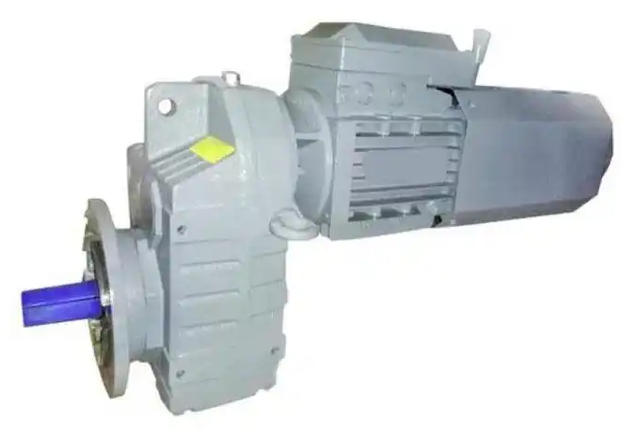
Cutting machine reducers usually send out clear "early warning signals" before aging and failure. Timely identification of the following 5 major signs and early replacement or repair can effectively avoid greater economic losses caused by complete equipment damage:
1. Frequent occurrence of abnormal noises
A normal reducer operates smoothly. If abnormal noise occurs, it is usually a sign of damage to internal parts. For example, persistent "rustling" or grinding sounds may mean tooth surface wear or insufficient lubrication; periodic "clicking" or banging sounds are highly suggestive of broken gear teeth, chipping, or bearing damage.
2. Abnormal temperature surge
The reducer will generate heat during operation, but if the shell temperature rises significantly or even becomes hot to the touch, it is a serious abnormality. This is usually caused by insufficient/deteriorated lubricant, overloaded operation, cooling system failure, or excessive frictional heat generation due to increased internal wear.
3. Vibration is significantly intensified
Abnormal vibrations are a sign of internal imbalance or component damage. When the gears are severely worn or broken, or the bearings are worn or the balls fall off, the reducer will produce periodic vibrations that are stronger than during normal operation, and in severe cases may even be accompanied by body shaking.
4. Oil leakage and oil deterioration
If oil stains appear on the joint surface of the box or the oil seal, it indicates that the seal has been aged or damaged. In addition, if the lubricating oil is black, turbid, emulsified, or even contains metal debris, it indicates that the internal gears or bearings have been severely worn.
5. Reduction in transmission performance
If the cutting machine experiences a reduction in output shaft speed, insufficient torque, a sense of "slippage" in the transmission, or abnormal fluctuations in motor current when the load remains unchanged, it means that the transmission efficiency of the reducer has dropped significantly, and the internal gears or bearings may no longer be able to withstand normal working conditions.
Response suggestions:
Once any of the above symptoms are discovered, it is recommended to shut down the machine immediately for inspection. For core equipment such as cutting machines, it is important not to operate them "sickly" to avoid gear breakage, motor overload and other related damage, resulting in high maintenance costs and downtime losses.